Base44 Review: Can It Build Your Startup MVP?
Base44 ships a working prototype fast, but the backend stays on its servers. The honest verdict on pricing, code ownership, and when to build for real.

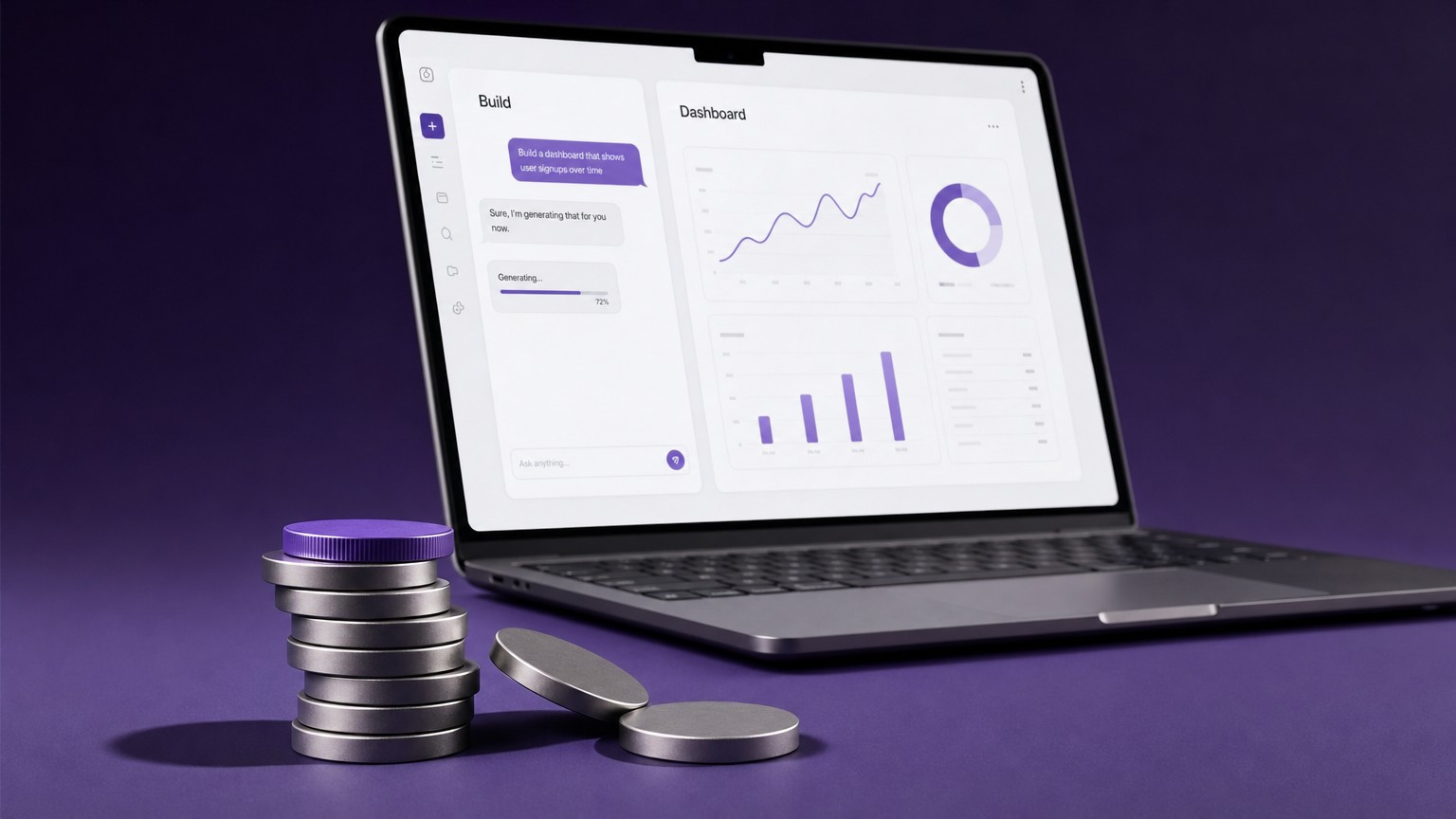
Base44 can hand you a working MVP prototype in about a day. The catch that decides everything: the code it exports is only the frontend, while your database, auth, and backend logic stay on Base44's servers behind its SDK.
The verdict, up front
Base44 is the fastest way we have seen to turn a plain-language idea into a clickable, data-backed app you can put in front of real users this week. Use it to validate. Do not launch your funded product on it.
The line is sharp because of one fact: when you export a Base44 app, you get the React frontend, not the running product. The database, authentication, and backend logic keep calling Base44's servers through its SDK. So "you own your code" is only half true, and the missing half is the half that matters when you raise money, pass technical diligence, or scale past the prototype.
- Best for: solo founders and small teams proving an idea, internal tools, and early demos.
- Not for: the production version investors will inspect, a consumer app under real load, or anything with complex business logic you need to own end to end.
- Price: free to start; real building begins around $40/mo.
- The call: prototype on Base44, then scope a real build for the version you actually ship.
What Base44 actually is
Base44 is a no-code AI platform built around "vibe coding," where you describe an app in plain English and the tool generates the whole thing: a React and TypeScript frontend, a managed backend, a database, user authentication, and payment processing. Vibe coding just means you steer with prompts instead of writing the code yourself, and the AI fills in the implementation.
It is not a fringe experiment. Base44 was built by a solo founder, Maor Shlomo, and acquired by Wix in June 2025 for $80 million in cash roughly six months after launch, with earn-outs that can push the deal toward $170 million through 2029. That history matters for one reason only: legitimacy is not the question with Base44. It is a real, well-funded platform. The question is where its output stops being a prototype and needs to become a product.

What it does genuinely well
Speed to a working prototype is Base44's real product, and it is very good at it. Reviewers and the vendor both put "idea to running app" at roughly a day, and the reason is that the backend comes included. Most no-code tools hand you a pretty frontend and leave you to wire up a database, auth, and billing yourself. Base44 provisions all of that from the same prompt.
A concrete example of where this shines. Say you are a founder with a pitch meeting in five days and a claim you need to prove: "operations teams will log incidents faster with our workflow than with a spreadsheet." You do not need production infrastructure to test that. You need a real screen, a real database writing real rows, and a login so five design partners can try it. Base44 gets you there in an afternoon, and every dollar you did not spend on a throwaway prototype is a dollar left for the build that counts.
Every plan, including the free one, includes the integrated backend and database, the visual editor, an analytics dashboard, cloud storage, authentication, and payment processing. For validation work, that batteries-included setup is the whole appeal: you are testing the idea, not assembling a stack.
The code-ownership trap that decides everything
Here is where a funded founder has to pay attention. Base44 markets code export and GitHub integration, which sounds like full ownership. It is not, and the gap is specific.
When you export, you get the frontend: a standard React app with .jsx pages and components, CSS, and a package.json. What you do not get is a running product. Everything that reads from your database, authenticates a user, or executes backend logic still routes through the base44-sdk, which calls Base44's servers. Hands-on reviewers are blunt about it: the exported frontend loads, but nothing functional works until you rip out the SDK and rebuild the backend on infrastructure you control.

Three details make this concrete:
- Export is frontend-only. The backend stays on Base44. Your exported app is not standalone.
- GitHub sync is one-way. You can push from Base44 to GitHub, but you cannot import code back into the Base44 editor, so a real developer cannot round-trip changes.
- Export needs a paid plan. Code download is available only on the Builder tier and up; the free tier does not let you take the code at all.
Practitioners also flag monthly credits that reset, no custom branding on the login screen, and limited portability of backend data. Individually these are annoyances. Together they describe a platform you rent, not a product you own.
The decision rule we give founders is simple. Base44 answers "will anyone use this?" It does not answer "can I own, secure, and scale this?" The moment your prototype gets a yes to the first question, you have a validated spec, which is the single most valuable input to a real build. That is the handoff point, not the finish line. If you are weighing this against other builders first, our comparison of the main AI app builders covers where each one stops.
Base44 pricing in 2026
Base44 prices on two kinds of credits. Message credits are your monthly allowance for AI build actions; integration credits cover backend and integration calls. Both reset each month. The tiers below are the annual-billing prices from Base44's own pricing page, which carry a 20% discount; month-to-month costs more.

The number that trips people up is the credit reset. Because message credits refresh monthly rather than carrying over, a heavy build week can leave you rate-limited until the cycle rolls, and the fix is to move up a tier. Budget for the plan that matches your build pace, not the cheapest sticker price, and remember that taking your frontend code out requires at least the Builder tier.
Who should use Base44, and who should not
Use it if you are a founder validating demand, a small team building an internal dashboard, or anyone who needs a real, data-backed demo faster than a dev cycle allows. For these jobs Base44 is close to ideal, and the free or Starter tier is enough to learn what you need.
Look past it if you are shipping the version that carries your company. A consumer product under load, anything with real financial or health data, complex logic you need to own, or a codebase an investor's technical advisor will read all point the same way: you need a production build on infrastructure you control, with the full backend in your own repository.
The trap is not using Base44. The trap is mistaking the prototype for the product and trying to harden a rented backend into a fundable one. Whether a vibe-coded build can survive that transition at all is worth reading honestly before you commit, which we cover in our take on vibe coding in production.
Is Base44 free?
Yes. There is a free tier with 25 message credits per month and up to 5 apps, including the core backend, auth, and analytics features. The catch for founders: exporting your code requires a paid plan (Builder tier and up), so the free tier lets you build and test but not take the code with you.
Is Base44 legit and safe?
It is a real, established platform, acquired by Wix in June 2025 for $80 million. Legitimacy is not the concern. The real risk is operational: your app depends on Base44's servers for its backend, so an outage or pricing change affects a live product you have not fully offloaded. For a prototype that is acceptable; for production it is a reason to own your stack.
Does Base44 really work?
For building and shipping a prototype, yes, and quickly. For running a production product, only after you replace its SDK-based backend with infrastructure you own. Treat a working Base44 app as proof your idea works, not proof it is ready to launch.
What is better than Base44?
It depends on the job. Against other AI app builders the answer varies by ownership, handoff, and pricing. For a fundable MVP you intend to scale and own, the better path is usually a scoped custom build informed by what your Base44 prototype already validated, so no learning is wasted.
Book the Scoping Sprint
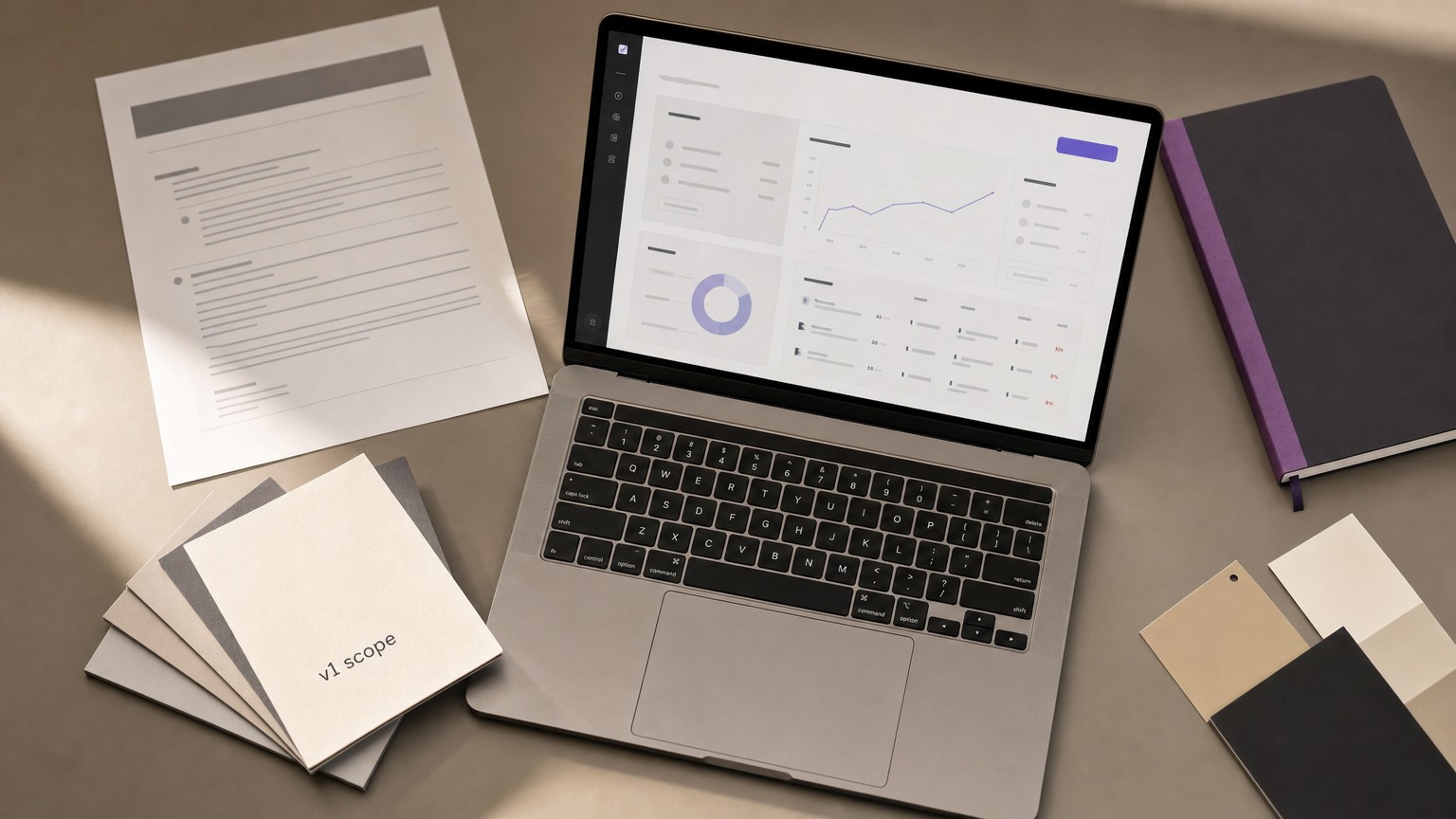
Validated your idea on Base44? Turn the prototype into a fixed-scope plan for a production MVP you own end to end, in a two-week Product Scoping Sprint.
Jul 13, 2026